Slot machines have long held a unique place in both physical and digital gaming environments, captivating players with their blend of chance, strategy, and immersive design. The appeal of these games goes beyond mere luck; it lies in the way slot mechanics create a structured and engaging experience, encouraging consistent play while subtly guiding decision-making. By understanding the role of these mechanics, players can appreciate not only the entertainment value but also the benefits of structured gameplay, which fosters focus, discipline, and long-term engagement.
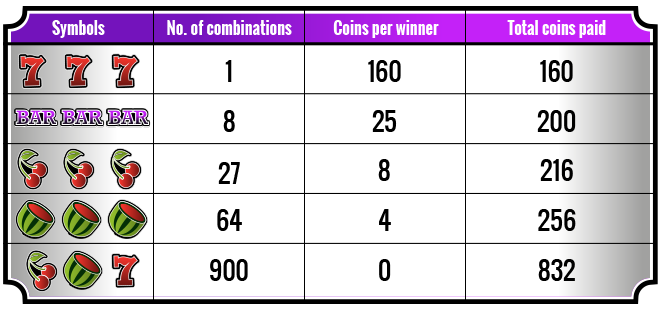
At the heart of slot machines is their mechanical and algorithmic design, which dictates how symbols align, how rewards are distributed, and how bonus features activate. These mechanics are not random chaos; they are carefully calibrated to balance excitement and predictability. For instance, payline structures define specific combinations that yield rewards, providing clear parameters for what players can aim for. This structured framework helps players make informed choices about bet sizes, risk levels, and session lengths. By interacting with a system that has defined rules, players can develop strategies and pacing that support disciplined play rather than impulsive behavior.
Random number generators (RNGs) form the backbone of modern slot mechanics, ensuring that each spin is fair and unpredictable. While RNGs introduce chance, they operate within a controlled environment where probabilities are known and documented. This combination of randomness and structure gives players a sense of fairness and control. When players understand the likelihood of certain outcomes, even if they cannot predict them with certainty, they are more likely to approach play methodically. This awareness encourages structured betting patterns, where players set limits, adjust stakes based on prior outcomes, and pace their sessions to sustain engagement over time.
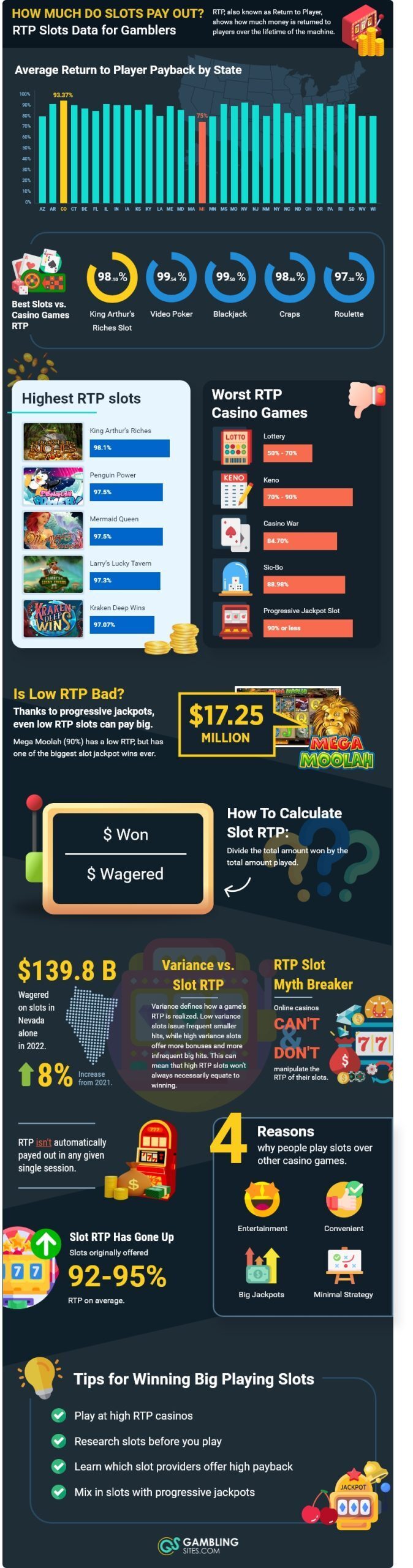
Another key aspect of slot mechanics is volatility, sometimes referred to as variance. Volatility determines the frequency and size of payouts, creating different experiences for different player types. Low-volatility slots provide frequent, smaller wins, reinforcing steady, measured play. High-volatility slots, on the other hand, offer less frequent but larger rewards, appealing to players who prefer strategic bursts of higher risk. By understanding volatility, players can select games that align with their goals, whether that is long-term enjoyment, careful budget management, or chasing larger jackpots. This selection process itself is a form of structured play, as it involves evaluating game mechanics and planning gameplay accordingly.
Bonus rounds, free spins, and interactive features add another layer of structured engagement. These mechanics break the monotony of standard spins and offer players clear objectives within a session. For example, triggering a free spin round or unlocking a bonus mini-game requires specific combinations or actions, providing intermediate goals and reinforcing a sense of progression. Players can approach these features with strategies that optimize outcomes, such as adjusting bet sizes or timing spins to maximize potential rewards. The presence of these structured goals transforms what might be a purely random activity into a more interactive and deliberate experience.
Visual and auditory feedback is also an integral part of slot mechanics that supports structured play. Animations, sound effects, and on-screen prompts signal wins, near misses, and bonus opportunities. This feedback guides players’ attention and reinforces learning about the game’s mechanics. For instance, a sequence that frequently triggers near misses teaches players which symbol patterns are valuable, encouraging mindful attention rather than mindless spinning. Over time, players internalize these patterns, making choices that are both strategic and disciplined, enhancing the overall quality of play.
Bankroll management is inherently supported by slot mechanics. Many modern slots allow for adjustable bet sizes, multi-line selections, and customizable coin denominations. This flexibility enables players to implement personal strategies for risk management and session duration. By consciously deciding how much to wager per spin and which paylines to activate, players engage in structured financial planning within the gaming environment. This practice not only promotes responsible play but also aligns with the broader principle of structured gameplay, where thoughtful decision-making is consistently rewarded with more sustained enjoyment.
The social dimension of online slots further reinforces structured play. Leaderboards, achievements, and community challenges introduce measurable objectives that encourage players to plan sessions around progress and goals. Rather than spinning impulsively, players may time their play to maximize participation in events or achieve specific milestones. This external structure complements the internal mechanics of the game, creating a layered experience where players balance personal strategies with broader objectives.
In addition, slot mechanics can cultivate critical thinking and decision-making skills. While outcomes are ultimately governed by chance, players frequently make choices about risk, reward, and timing. Assessing which machines to play, how many lines to activate, and when to engage in bonus rounds involves analysis and judgment. These repeated decision-making exercises within a structured system help players refine their cognitive skills, making gameplay both entertaining and mentally stimulating.
Psychological principles also underlie slot mechanics, particularly the use of intermittent reinforcement. Wins are delivered at variable intervals and amounts, keeping players engaged without creating predictability that could diminish excitement. This reinforcement schedule is carefully balanced to motivate continued play while encouraging players to adopt structured strategies, such as pacing spins and setting limits. By interacting with a system that balances unpredictability and order, players can maintain engagement without succumbing to erratic or impulsive behavior.
Ultimately, slot mechanics are designed to transform chance-based play into an experience that supports structure, focus, and strategic thinking. From paylines and RNGs to volatility, bonus features, and feedback systems, every element contributes to an environment where players can make informed choices and manage their sessions with discipline. This structured approach enhances the gaming experience, providing not only entertainment but also opportunities for learning, self-regulation, and sustained engagement. Players who appreciate and leverage these mechanics are more likely to enjoy longer, more controlled sessions, gaining satisfaction from both the game’s outcomes and the thoughtful process of play.
By recognizing the intentional design behind slot mechanics, players can approach gaming with a mindset that values structured interaction over random impulse. Understanding the rules, probabilities, and patterns within these systems enables players to make deliberate decisions, manage risk, and enjoy a measured, engaging experience. In this way, slot machines exemplify how well-designed mechanics can support structured play, offering entertainment that is both dynamic and disciplined. The interplay between chance and strategy, randomness and order, creates an environment where players are not merely passive participants but active decision-makers, navigating the game with intention and focus.
Structured play in slot games is thus more than a byproduct; it is a core feature, embedded in every spin, bonus, and choice. By engaging with the mechanics consciously, players cultivate a deeper understanding of the game, refine decision-making skills, and experience enjoyment that is sustained and purposeful. The design of slots demonstrates that even in games of chance, structure, strategy, and engagement can coexist, enhancing both the thrill of play and the quality of the gaming experience.
The careful balance between predictability and surprise ensures that structured play remains compelling, rewarding players who approach the game with attention and strategy. Each session becomes an opportunity to interact with a system that challenges, informs, and entertains, demonstrating how slot mechanics are not merely about winning but about engaging in a disciplined, enjoyable, and strategically rich experience.
By embracing the principles underlying slot mechanics, players can achieve an experience that is both enjoyable and intentional, turning casual spins into thoughtful gameplay. Structured play is reinforced at every level, from the basic design of paylines to the nuanced feedback of bonus features, creating a framework where engagement, learning, and enjoyment intertwine seamlessly. This thoughtful integration of chance, strategy, and mechanics underscores why slot games remain enduringly popular and how their design continues to support disciplined, structured play across both physical and digital platforms.